Supporting Robust National and State Protections for the Clinch River
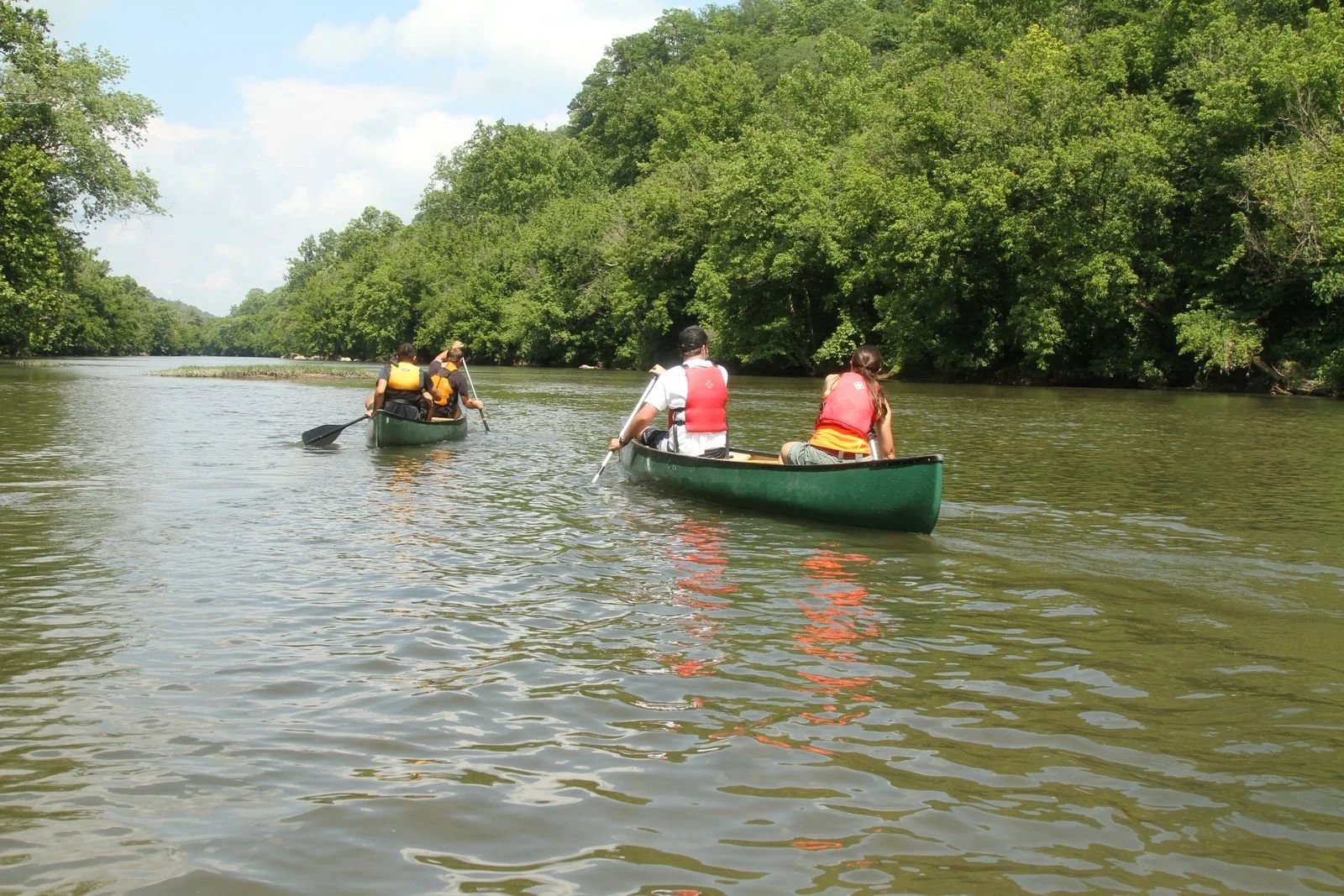
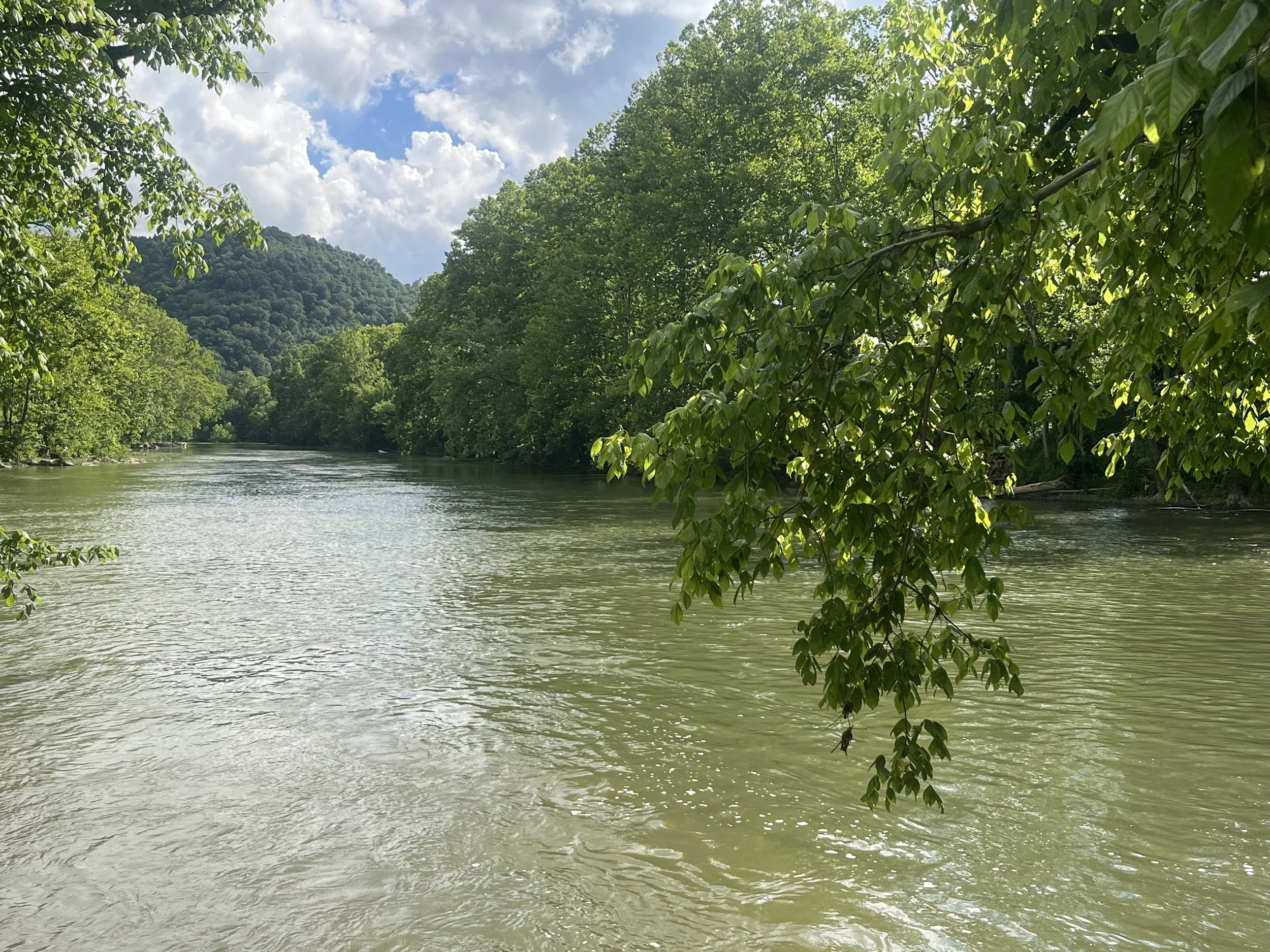
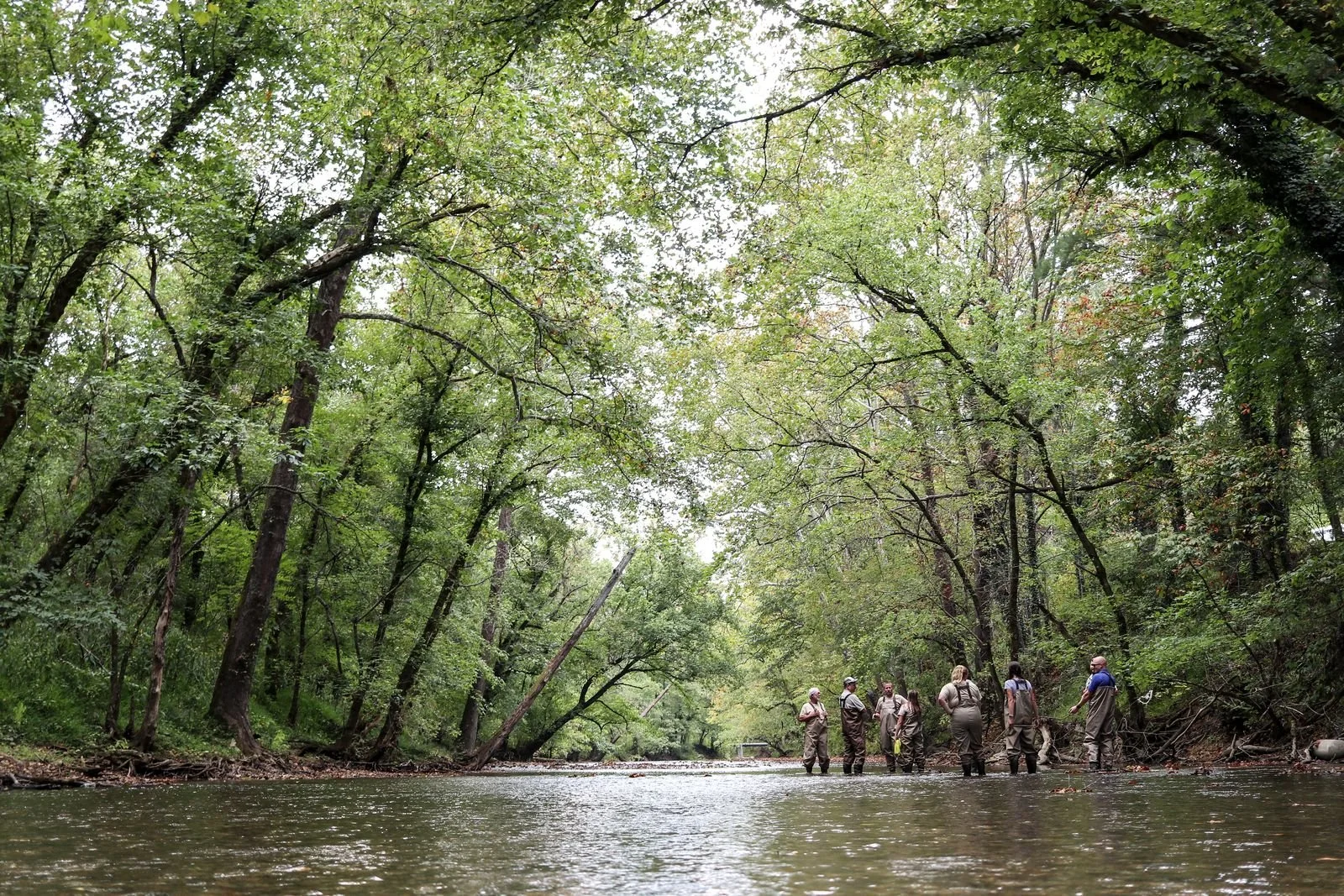
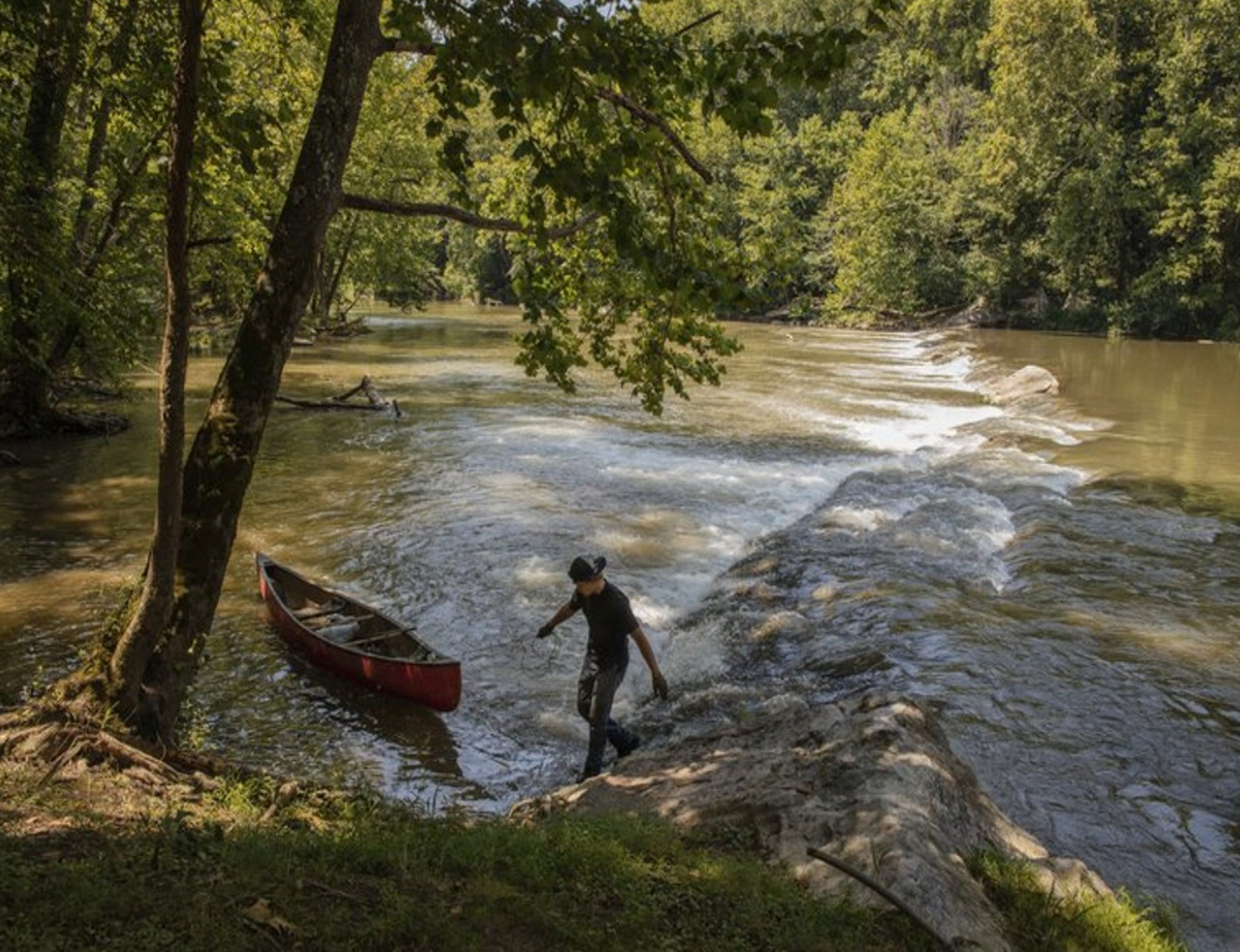
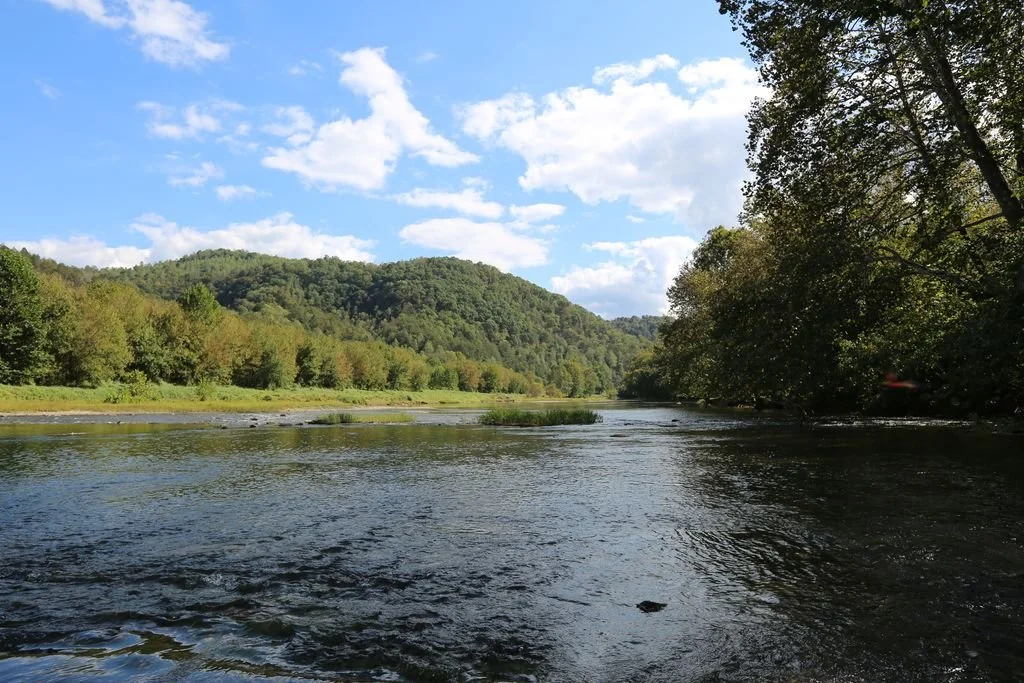
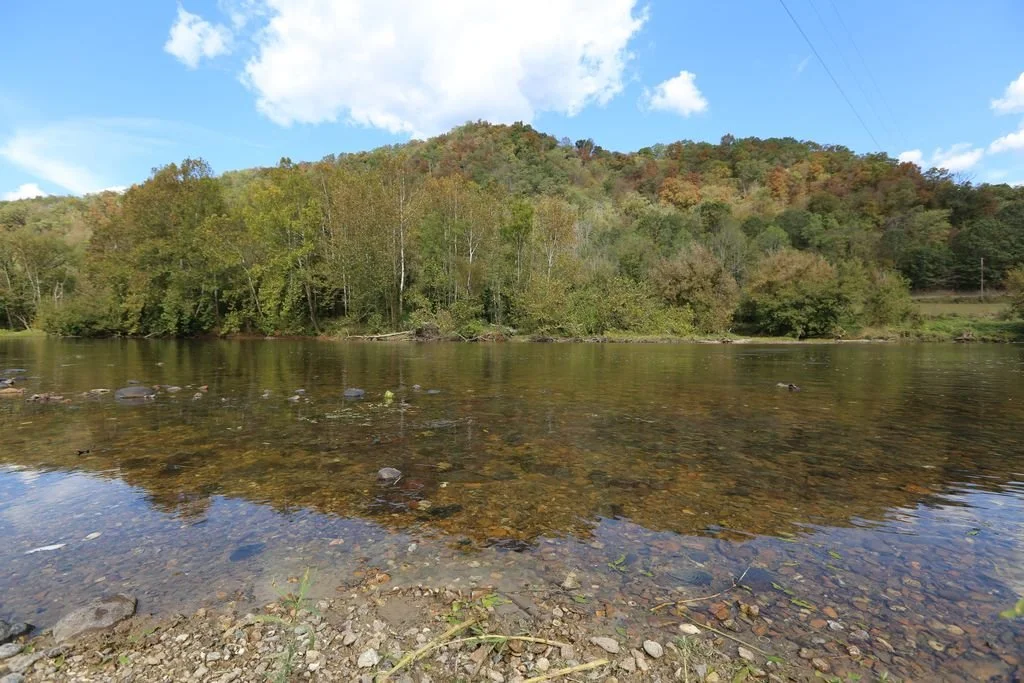
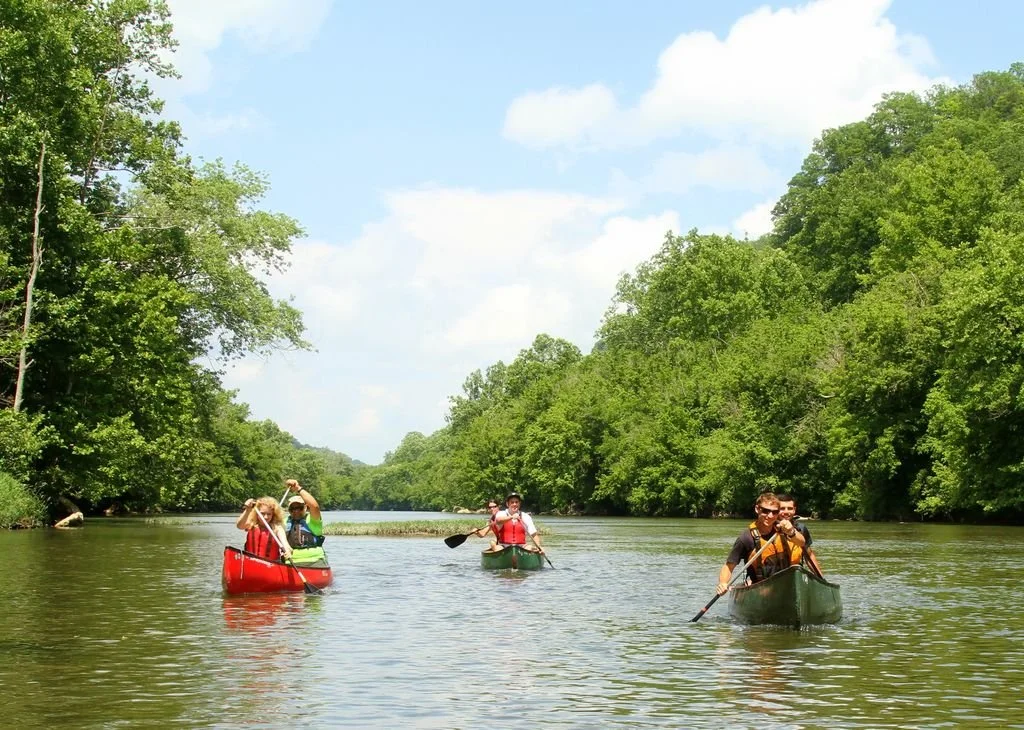
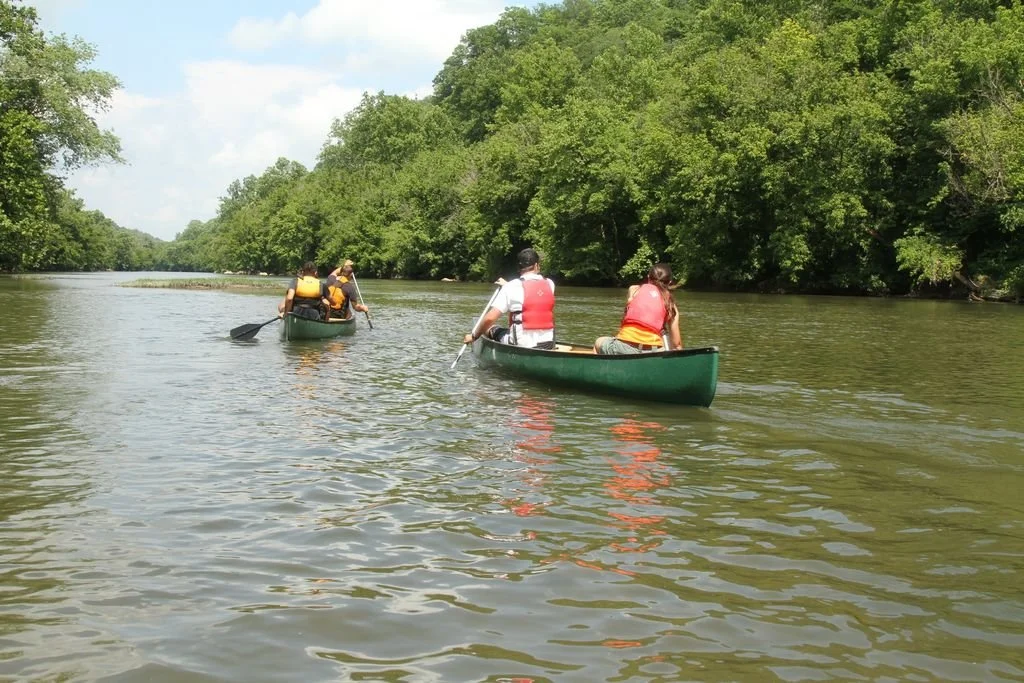
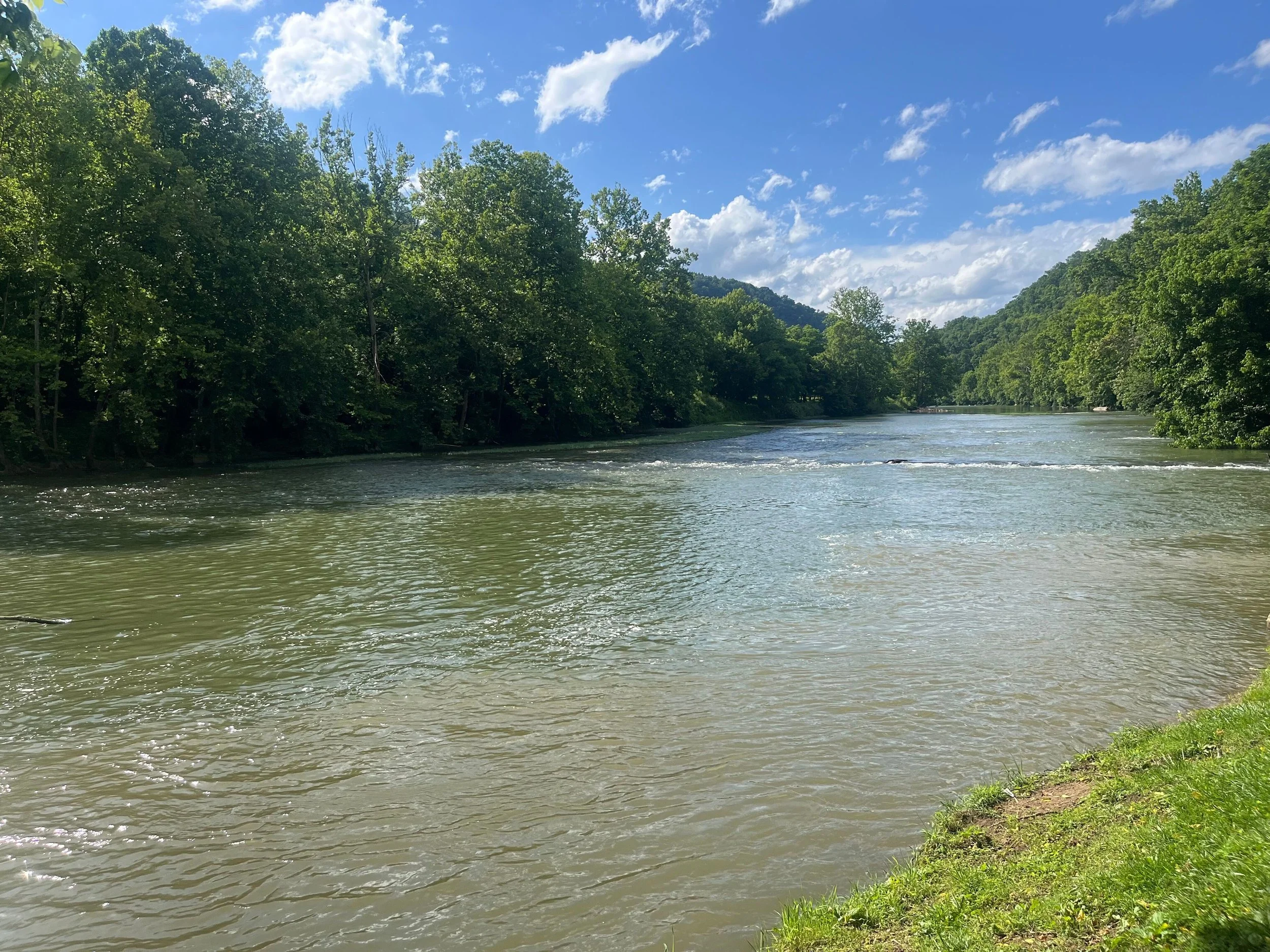
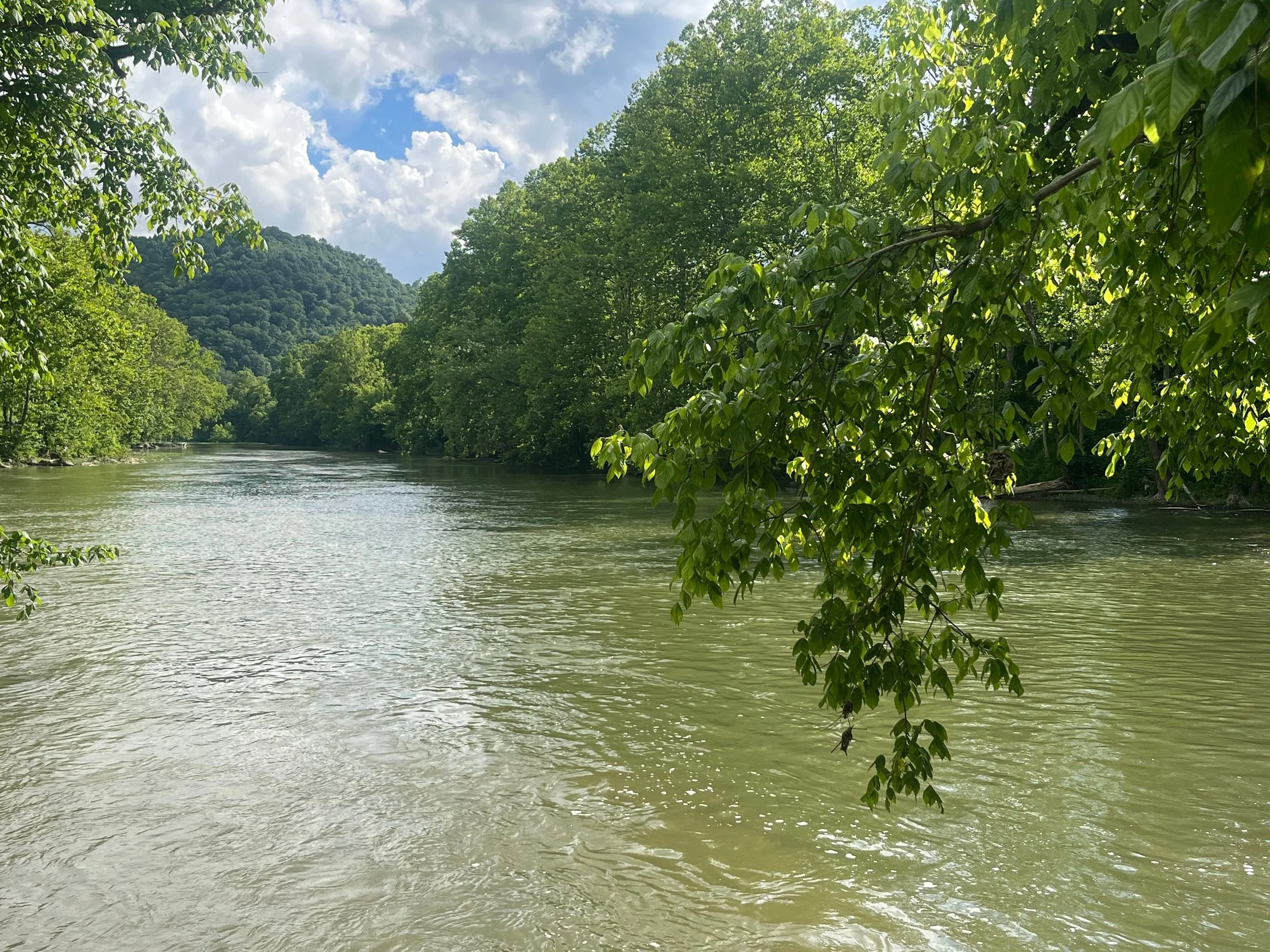
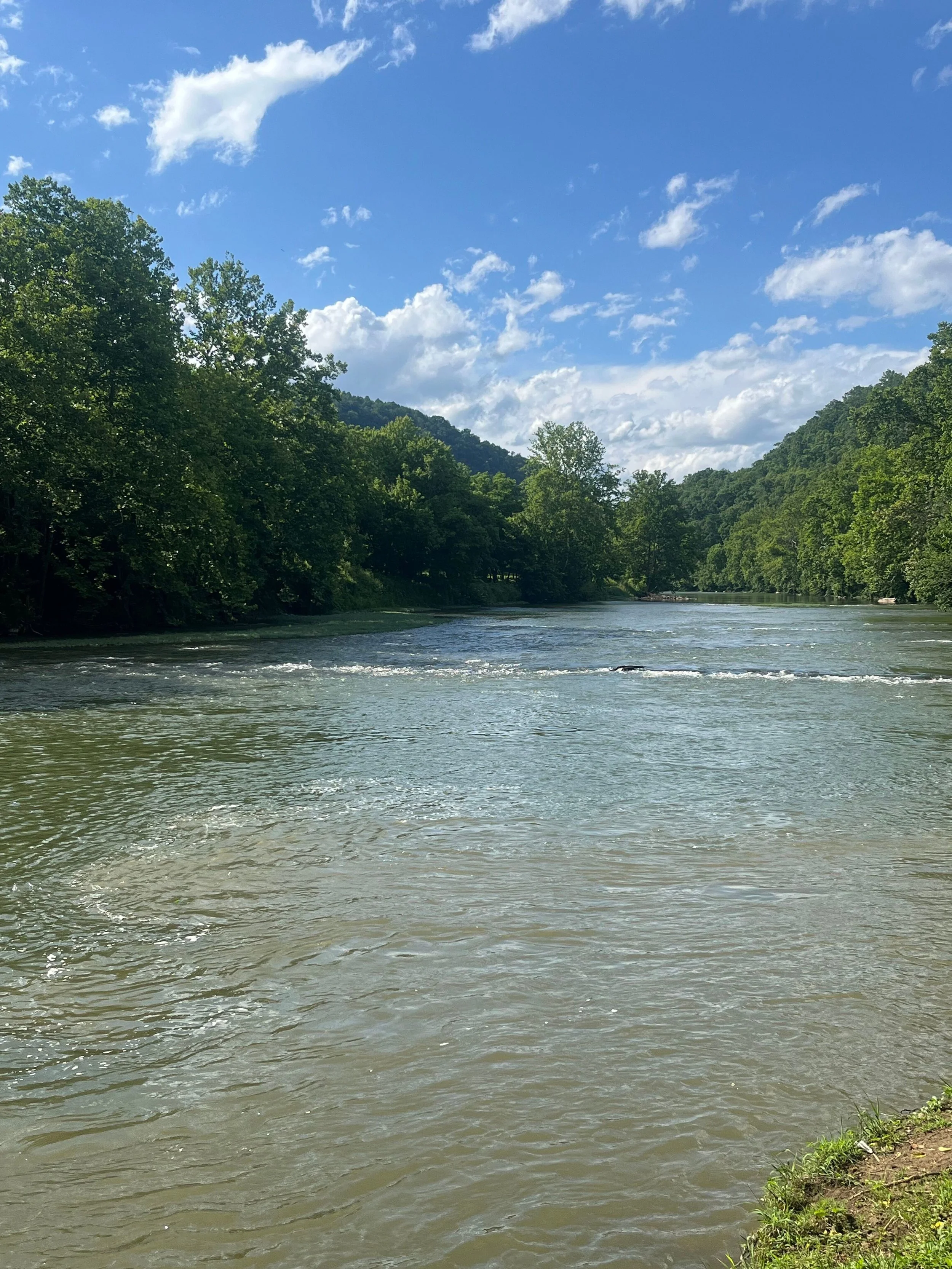
The Clinch River is a valuable natural resource. The river sustains Southwest Virginia’s communities and economies with drinking water, outdoor recreation opportunities, and scenic landscapes.
A broad coalition of local landowners, organizations, community leaders, churches, clubs, paddlers, and anglers have launched a campaign to permanently protect the Clinch as a National Scenic River and as an Exceptional State Water of Virginia.
Strong state and national protections are essential to safeguard the Clinch River from future threats and to preserve the values that matter most to local communities.
Types of River Designations and Protections
National Scenic River Designation
-
The landscape and watershed are maintained in a way that preserves the existing character of the area. All public lands within the boundary of a Scenic River are withdrawn from “entry, sale, or other disposition.”
-
The river’s recreational, scenic, and cultural values are protected through designation. Shorelines remain largely primitive but accessible to the public for recreational purposes.
-
The free-flowing river segments are protected. No construction of dams, water conduits, reservoirs, powerhouses, transmission lines, or other project works that directly affect a Scenic River. No department or agency of the United States can assist in any way to the construction of water resources project that has a “direct and adverse effect” on the values for which the designated river was established.
-
Local drinking water supplies will be better protected, as a National Scenic River designation can defend against new harmful pollution.
-
River protections strengthen local economies through multiple pathways:
Tourism and recreation
Recreational visits to Wild and Scenic Rivers are valued at $99 per person per day.
Improved water quality and restored habitats attract anglers, boaters, birdwatchers, and nature tourists, increasing spending at lodging, restaurants, outfitters, and shops.
Year-round and seasonal outdoor activities create jobs in guiding, hospitality, retail, and equipment services, often in rural areas with limited employment options.
Property values and development
Homes and commercial properties near healthy rivers typically command higher prices, expanding property tax bases that fund schools and infrastructure.
42% of the value of properties adjacent to a Wild & Scenic River is directly attributed to their proximity to the river.
Business attraction and retention
Companies increasingly consider environmental quality and quality of life when locating. Clean rivers signal strong local stewardship and offer recreational amenities that help recruit and retain skilled workers.
Industrial and manufacturing facilities benefit from predictable water supplies and lower regulatory and remediation risks when waterways are protected.
-
Additional river access points and boat ramps increase the river’s capacity for recreational opportunity.
-
The Clinch River Valley has the potential to receive a host of positive national attention, funding, and tourism opportunities with a National Scenic River designation.
-
A National Scenic River must have a River Management Plan, which involves the local communities in the creation and implementation of the plan. Communities themselves decide how the river is managed.
Virginia Exceptional State Waters
-
The landscape and watershed are maintained in a way that preserves the existing character of the area.
-
The river’s scenic values are protected through designation.
-
Local drinking water supplies will be better protected, as this designation prohibits new or additional harmful pollution coming from point sources.
Frequently Asked Questions
What is a National Scenic River?
Wild & Scenic Rivers refers to a federal-level designation that was created by the 1968 Wild & Scenic Rivers Act. It defines three distinct types of river designations: Wild Rivers, Scenic Rivers, and Recreational Rivers.
Wild River Areas are those rivers or sections of rivers that are free of impoundments and generally inaccessible except by trail, with watersheds or shorelines essentially primitive and waters unpolluted. These represent vestiges of primitive America.
Scenic River Areas are those rivers or sections of rivers that are free of impoundments, with shorelines or watersheds still largely primitive and shorelines largely undeveloped, but accessible in places by roads. This is the specific river designation we aim to secure for the Clinch River.
Recreational River Areas are those rivers or sections of rivers that are readily accessible by road or railroad, that may be partially developed along their shoreline and that may have previously been impounded or diverted.
Across the U.S. there are 228 rivers with a “National Wild & Scenic” designation status.
What is the process of becoming a National Scenic River?
There are two main methods of designation:
By an Act of Congress
The administering agency must establish detailed boundaries, determine classes that best fit the river, and prepare a development plan, all to be published in the Federal Register.
Managed by the federal government
By the Secretary of Interior
If the river is already protected by a state river protection program, the state governor can request inclusion in the National System
Managed by the state or local agencies and precludes federal management of the river in certain sections
Administered without cost to the federal government
Requires state and local and public commitment to river protection
Will my property rights be affected by this designation?
No. A National Scenic River allows landowners to continue using their land however they like. It allows property owners to hunt, fish, farm, drive, and build on their land. The National Scenic River designation prohibits future river impoundments and industrial developments on the water’s edge. A National Scenic River designation significantly increases private property values along its corridor and protects the rural character of the region.
Resources
-
Wild & Scenic Rivers Act of 1968
-
Clinch State Scenic River Report
-
Code of Virginia
-
Wild and Scenic Rivers Coalition
-
Clinch River State Park
-
American Rivers
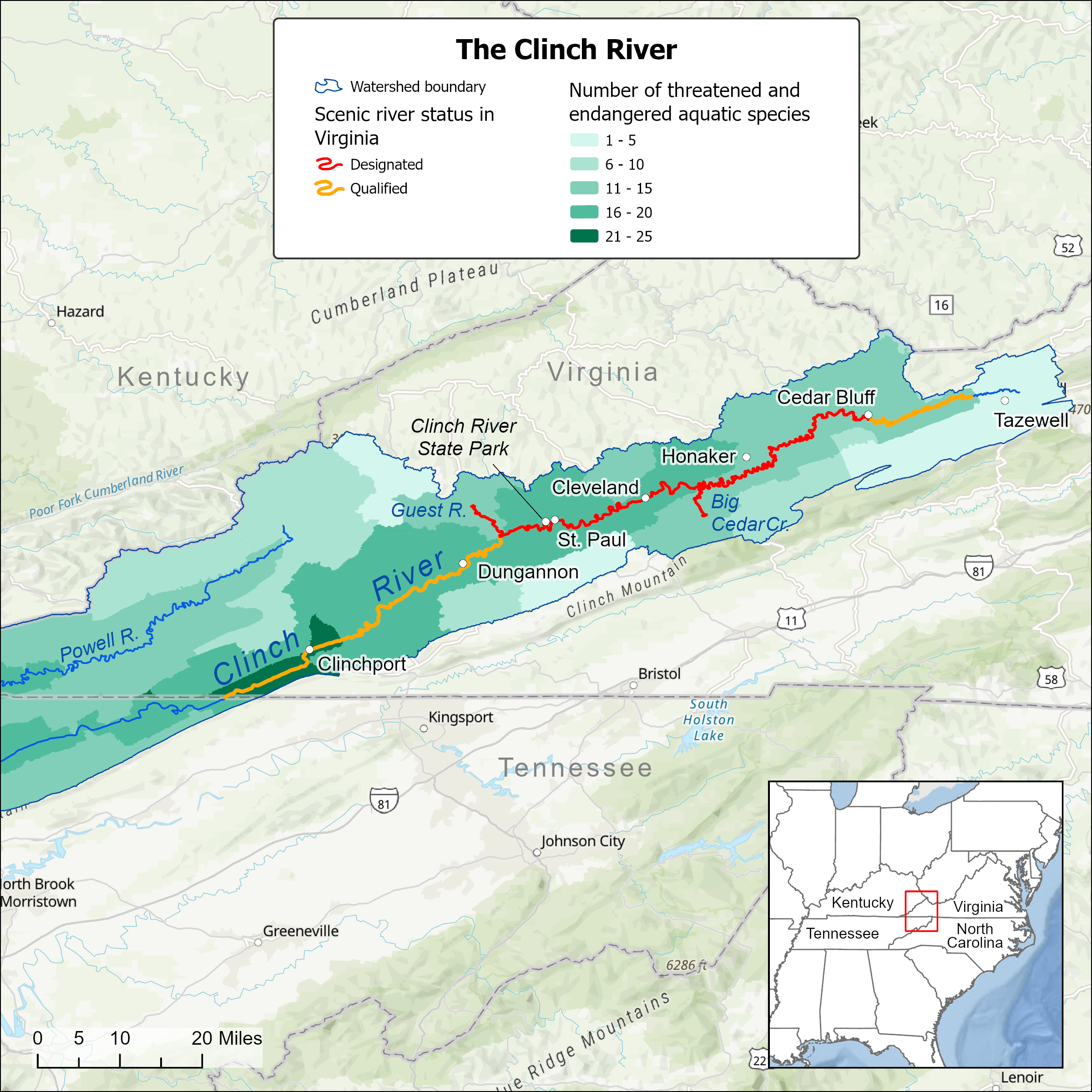
Map
Supporters
-
The Clinch Coalition
NONPROFIT PARTNER
-

American Rivers
NONPROFIT PARTNER
Stay in Touch
We would love to hear from you! If you have questions, comments, concerns, or ideas regarding this river designation campaign, please fill out the contact form seen here.
If you would like to become an official supporter or partner, please refer to the “Supporters” section and click the button “Become a Supporter” to begin the process.
If you would like to simply stay in the loop and receive regular updates from Friends of the Clinch River, submit your email address at the bottom of the page.